Essential cookies keep the site running. With your OK we also use optional ones to understand how the site is used and make it better. See our Cookie Policy.
Your choice is kept for 12 months.
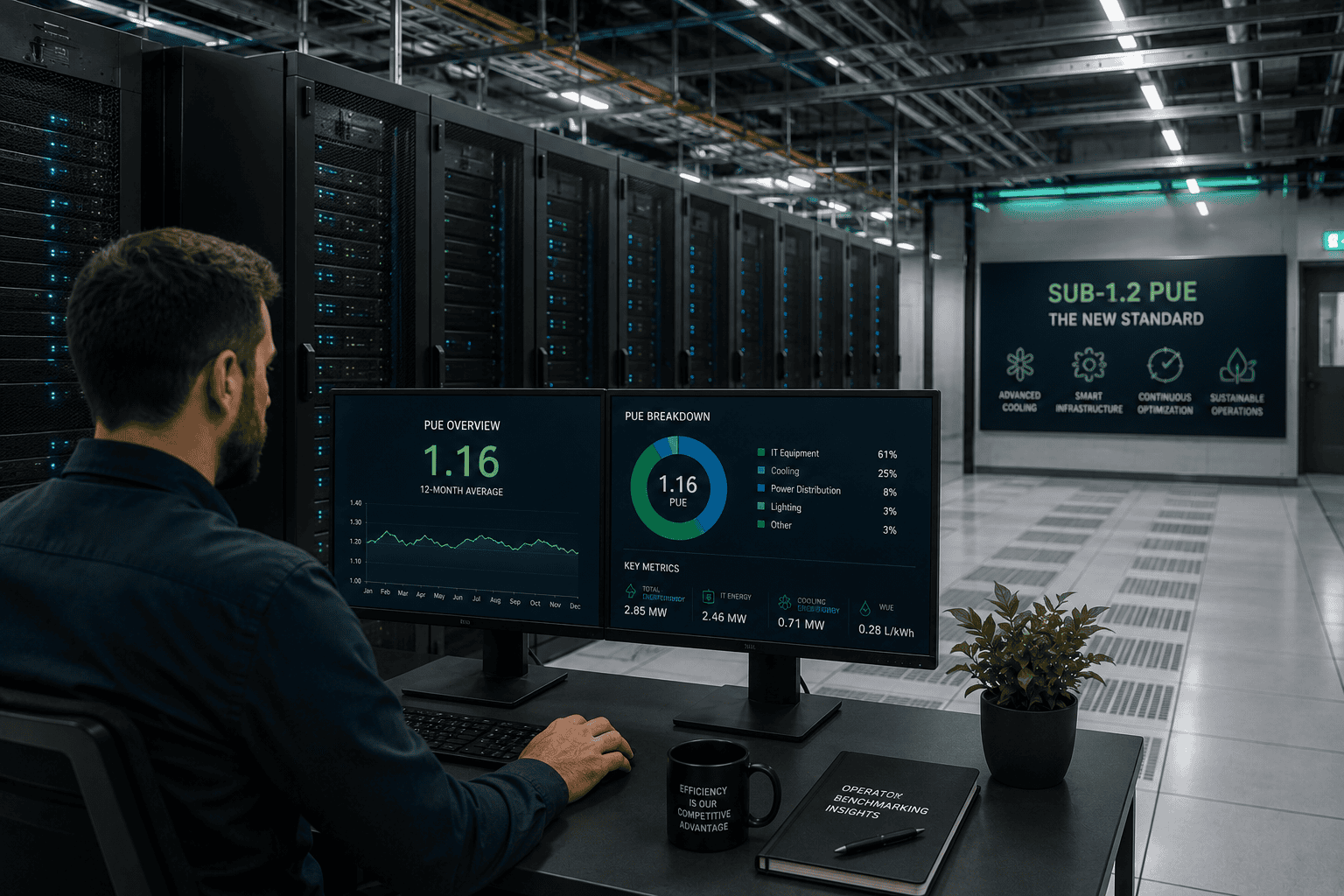
Data centers today must cut costs without losing performance. Power Usage Effectiveness (PUE) is key to measuring Energy Efficiency. Top companies aim for a PUE under 1.2 to lead in a tight market.
To reach these top levels, facilities must change how they manage their daily infrastructure. Leading teams use advanced thermal systems. This makes sure Cooling only uses power when needed, saving energy.
This report dives into the tech behind these achievements. By improving Energy Efficiency and simplifying Operations, costs drop a lot. We’ll see how exact Cooling control is key for growth in the U.S. digital world.
Power Usage Effectiveness is key to measuring a facility’s power use. It compares the total energy used to the energy for IT equipment. This helps find waste and boost performance.
Calculating PUE is simple: divide total facility power by IT equipment power. A low number means efficient use, saving costs and reducing carbon footprint. Using Energy Saving Tips can lower this ratio.
Keeping PUE low is crucial for success. It lets companies use more hardware without more power. Efficiency is no longer optional; it’s essential for growth.
Many things affect a facility’s PUE, like building age and cooling system quality. Older buildings often have outdated systems. But, Energy Conservation Strategies can help.
Hardware density also matters. High-density racks need better cooling, which can increase energy use. The table below shows how different PUE levels reflect a data center’s status.
| PUE Rating | Efficiency Level | Operational Status |
|---|---|---|
| 3.0 | Very Inefficient | Needs immediate overhaul |
| 2.0 | Average | Standard legacy facility |
| 1.5 | Efficient | Modernized infrastructure |
| 1.2 | Very Efficient | Industry-leading performance |
Companies that focus on efficient business practices see big wins. They save money and help the planet. As digital needs grow, managing power well is key. By focusing on Energy Efficiency, businesses turn their infrastructure into a valuable asset.
Optimizing power use cuts down on costs. This means smaller bills and more money for growth. Plus, it helps meet tough global environmental rules.
Being green also boosts a company’s image. Today’s clients and partners want to work with eco-friendly businesses. The main benefits are:
While PUE is important, it’s not enough. A full view of performance needs more data. To really improve, track a range of metrics.
“True sustainability in the data center requires a multi-dimensional approach that looks beyond power to water and carbon impact.”
Here’s a table with key metrics for a complete picture of data center health:
| Metric | Focus Area | Primary Benefit |
|---|---|---|
| WUE | Water Usage Effectiveness | Optimizes water consumption for cooling. |
| CUE | Carbon Usage Effectiveness | Tracks total carbon emissions per unit of IT energy. |
| ERF | Energy Reuse Factor | Measures the efficiency of heat recovery systems. |
Using these metrics daily helps improve efficient business practices. It keeps performance high and goals in line with the environment.
Getting a sub-1.2 PUE is now a real goal for top facilities. It needs a disciplined approach in management and design. Small improvements can greatly cut down on costs and environmental impact.
Good thermal management is key for high-efficiency facilities. Using hot or cold aisle containment systems improves Cooling efficiency. This method ensures cold air goes straight to the equipment, saving energy.
Raising server inlet temperatures can also help a lot. Modern servers can handle warmer temperatures better. This means less need for power-hungry chillers, which are big energy users.
Improving infrastructure means updating old power units and UPS systems. Using Energy Saving Tips like right-sizing power helps avoid inefficiencies. Choose hardware that supports variable speed drives to match power use with demand.
Also, making the server room layout better is important. Cutting down on cables and clutter helps air flow. This makes fans and pumps work less, saving energy.
Keeping performance high is an ongoing task. Real-time monitoring tools help track energy use. This gives Energy Saving Tips to fix issues before they affect PUE.
Advanced facilities use AI to adjust Cooling systems automatically. These systems quickly adapt to changes in server load or weather. This keeps the facility efficient all year round.
New cooling solutions are key to cutting energy use in dense facilities. As devices get more powerful, old air cooling methods can’t keep up. So, cooling system optimization is crucial for lowering energy use.
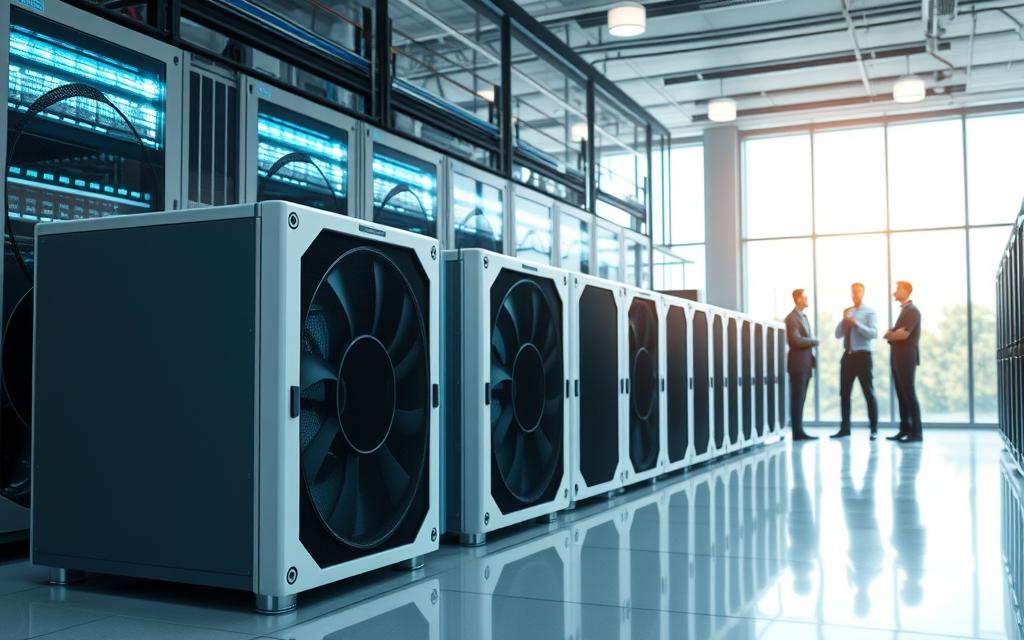
Liquid cooling systems are a big step up in cooling technology. They use liquids to transfer heat better than air. Direct-to-chip and immersion cooling are leading this change.
These methods let facilities pack more devices without huge fans. They cool devices directly, saving a lot of energy. This is vital for high-performance computing and AI.
Free cooling uses outside air or water to cool data centers. It lets facilities skip mechanical chillers for part of the year. This cuts down on electricity use and makes facilities more sustainable.
How well it works depends on the local weather and the facility’s design. Done right, it’s a cost-effective way to cool down while reducing carbon emissions. Many top cooling strategies use economizers to enhance these natural cooling methods.
Hybrid cooling mixes different methods for the best cooling. It uses liquid cooling for dense areas and air cooling for the rest. This approach keeps cooling consistent across different devices.
These systems use smart software to adjust cooling based on current needs. This ensures energy is only used when needed. Below is a table showing the main differences between these cooling methods.
| Technology | Efficiency Level | Primary Benefit | Complexity |
|---|---|---|---|
| Air-Based | Moderate | Low Initial Cost | Low |
| Liquid Cooling | Very High | High Density Support | High |
| Free Cooling | High | Low Energy Usage | Moderate |
| Hybrid Systems | Optimal | Maximum Flexibility | High |
Looking at successful case studies shows us how to manage data centers sustainably today. Top firms share their strategies for Energy Conservation Strategies that work well in busy settings.
Real examples show that achieving a PUE under 1.2 is possible with the right investment. It needs cutting-edge tech and a focus on always improving operations.
Big names like Google and Meta are leading in efficiency. Google uses smart algorithms to adjust cooling based on server heat.
Microsoft is trying something new with underwater data centers. They use the ocean’s coolness to keep servers at the right temperature.
These leaders show that innovation is key to low PUE ratings. They’ve ditched old cooling methods, cutting their energy use a lot.
One big lesson is that managing data centers is ongoing. Energy Conservation Strategies need constant updates and tweaks.
Upgrading older facilities to modern standards can be tough. But, small changes in airflow and server use can lead to big savings over time.
Teams that succeed focus on data-driven decisions. They track energy use closely to find and fix waste, improving efficiency.
Changing to efficient operations also means changing the company culture. When saving energy is a key goal, everyone works together to reduce waste and use power better.
The physical environment around a facility sets the basic needs for cooling. Internal heat sources are there, but how well we can get rid of that heat depends on the outside climate. Understanding these environmental variables is key for keeping a low Power Usage Effectiveness (PUE) rating.
Data centers in hot, dry areas face unique challenges compared to those in cooler climates. In hot places, systems have to work harder to cool down, affecting HVAC efficiency. In humid areas, removing moisture is harder, needing special dehumidifiers.
Operators need to study local weather to figure out when outside air is cool enough for cooling. This helps pick the right cooling gear for cooling system optimization. Places with big temperature changes need strong systems that can handle both heat and cold.
To get the best results, operators adjust their setup to fit the local weather. In cooler areas, using outside air for cooling is a big help. This cuts down on the need for energy-hungry chillers, boosting cooling efficiency.
In warmer spots, a mix of evaporative cooling and mechanical chillers might be used. These methods keep HVAC efficiency up even when it’s hot outside. By adjusting settings based on current weather, places can stay cool without wasting energy.
| Climate Type | Primary Cooling Strategy | Efficiency Potential |
|---|---|---|
| Cold/Temperate | Direct Free Cooling | Very High |
| Arid/Hot | Evaporative Cooling | Moderate |
| Humid/Tropical | Mechanical/Hybrid Cooling | Moderate |
| Variable | Dynamic Hybrid Control | High |
Cooling system optimization is not a one-size-fits-all solution. Successful operators keep an eye on their local environment to tweak their cooling plans. This ongoing effort helps keep facilities efficient, no matter the season or climate.
The focus on sustainable energy solutions is growing. Data center operators are exploring new ways to cut their carbon footprint. This change is crucial for their long-term success in a world that values resources more.
The next decade will bring artificial intelligence to manage data center heat. These smart systems can forecast heat surges, making adjustments before they happen. This use of machine learning could make data centers much more energy-efficient.
Several innovations are making waves in the market:
Governments worldwide are setting stricter rules on power use and waste heat. These rules push operators to focus on sustainable energy solutions to avoid penalties. Being green is now a key selling point for attracting clients.
Companies need to be proactive in reporting and being open about their energy use. Tracking Energy Efficiency is now a must for any facility aiming to meet global standards. Investing in green infrastructure today ensures facilities stay compliant and efficient for the future.
“The transition to greener data centers is not merely an environmental choice but a fundamental shift in how we define operational excellence.”
Working together is key to a sustainable future. Data center operators are teaming up to tackle big challenges. They aim to cut costs and reduce harm to the environment through Efficient Business Practices.
Partnerships between operators and tech vendors drive innovation. When operators share their data, tech makers can create better cooling systems. This makes sustainable energy solutions work well in dense environments.
These partnerships lead to testing new cooling tech. Operators provide a safe space for vendors to test and improve their products. This helps the whole industry move towards better energy use.
Industry groups set standards for everyone to follow. The Green Grid and the Uptime Institute help operators measure and get better. They share knowledge so everyone can learn from each other.
Joining these groups helps spread Efficient Business Practices. Members get the latest on sustainable energy solutions through workshops and research. This keeps them competitive and meets strict environmental rules.
Reaching a sub-1.2 PUE rating is a big deal for data centers today. It shows a move towards better resource use and design. Operators who focus on this are leading the digital world.
Keeping up high performance needs a culture of always getting better. Data center teams should check their Energy Efficiency often. This helps find and fix waste.
Small changes in airflow or server loads can make a big difference. It’s all about making the infrastructure better over time.
Good companies see their systems as always evolving. They use new tools to watch power use in real-time. This keeps their facilities running smoothly.
Investing in green cooling and power systems pays off in the long run. It saves money on bills and cuts down on pollution. These savings help companies grow and innovate more.
Energy Efficiency is key for businesses to succeed today. It helps them deal with higher energy costs and changing rules. Companies that get this right will stay ahead in the market.
Following the industry, hunting a role or hiring for one: one account opens all of it.
Enter your email or username and we'll send you a secure link to set a new password.
Discussion