Essential cookies keep the site running. With your OK we also use optional ones to understand how the site is used and make it better. See our Cookie Policy.
Your choice is kept for 12 months.
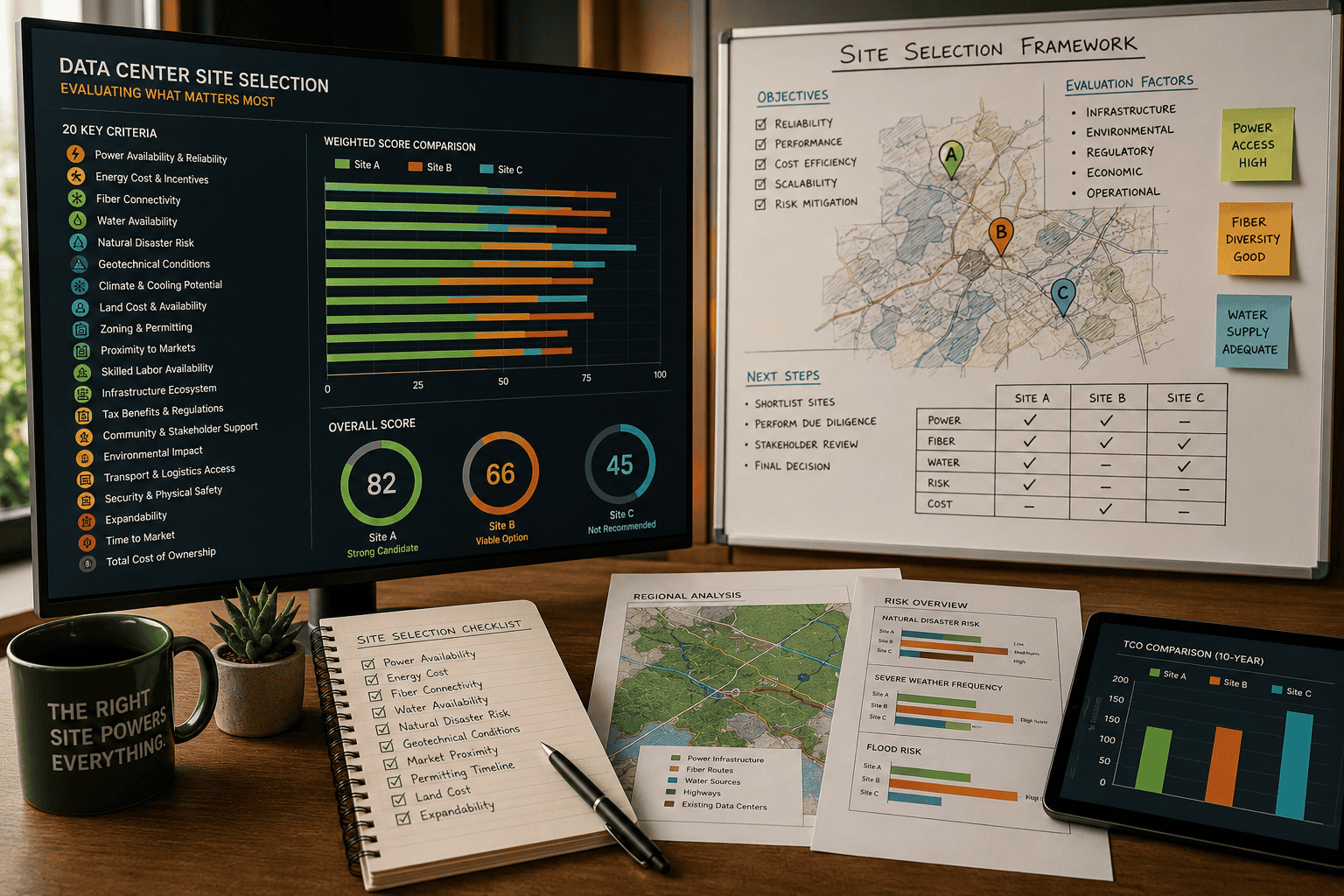
Modern technology is pushing physical limits as rack power requirements soar past 100kW. This shift marks a critical turning point for facility managers and engineers. They must support the next generation of AI & HPC workloads. Traditional infrastructure often fails to handle the intense heat and power demands of these massive systems.
To succeed, companies must adopt a new approach to Design & Build methodologies. Standard floor plans and power distribution methods are no longer sufficient for modern computational needs. Engineers now face the challenge of creating environments that prioritize efficiency while managing extreme thermal loads.
This article explores the innovative solutions required to thrive in this high-density era. By rethinking core facility architecture, operators can ensure their hardware remains stable and productive. Precision engineering is the only way to stay ahead in this rapidly evolving landscape.
Data centers today face a big challenge. Old cooling methods can’t handle the heat from new GPU-dense systems. As processing needs grow, we need new ways to manage heat.
Engineers must tackle huge heat loads. If not, system performance could suffer greatly.
High Performance Computing combines many computers to solve big problems. It’s used in science, engineering, and business. These systems use lots of GPUs to handle big tasks.
These systems are getting smaller but using more power. This makes it hard for facility managers to keep things cool. Without the right setup, these systems can fail early.
Artificial Intelligence is driving the need for more power. Training big models and running deep learning algorithms use lots of processors. This creates a lot of heat that’s hard to cool.
AI workloads are special because they:
Cooling is the main problem in modern data centers. If cooling can’t keep up, systems slow down to avoid damage. This is called thermal throttling and hurts the value of expensive AI gear.
For companies to succeed in AI, they need better cooling. Good cooling lets systems run at their best without overheating. Investing in strong cooling now helps avoid costly downtime and supports AI and HPC growth.
Modern data centers face big thermal challenges as rack densities grow. With more powerful hardware, the physical space must adjust to avoid equipment failure. Engineers now handle heat loads that were once thought impossible in standard facilities.
The rise of High Performance Computing has increased power density per rack. These systems produce intense, localized heat. Standard air-based systems struggle to cool these hotspots, leading to rapid hardware degradation and system instability.
Engineers must spot these heat sources early in design. Effective cooling requires understanding airflow patterns with high-density servers. Without proper cooling, the heat can overwhelm the room’s climate control.
Physical space is a valuable resource in modern facilities. Traditional Server Room Cooling methods need extensive ductwork and raised floors. These take up a lot of space, making it hard to fit racks that are 100kW or more.
Adding heavy-duty cooling equipment to older buildings is challenging. Designers must balance Thermal Management needs with limited space and ceiling height. This often means using compact, high-capacity cooling solutions that fit directly into the rack environment.
Getting the best High Performance Computing output while keeping Energy Efficiency is tricky. Increasing cooling power can lead to higher electricity costs. The goal is to boost performance without raising operational costs too high.
Strategic Thermal Management is key to solving this problem. By optimizing airflow and using advanced monitoring tools, facilities can keep optimal operating temperatures while saving energy. Success in high-density data centers depends on balancing these competing needs into a sustainable design.
Managing 100kW+ rack densities means a big change in thermal management. As power needs for AI and high-performance computing grow, old HVAC systems can’t keep up with the heat from new processors. So, top companies are using new Data Center Solutions to keep hardware running well and long.
Liquid cooling is a better choice than air for cooling. It uses coolant right next to the hottest parts, like CPUs and GPUs. This way, it cools better than usual server room cooling setups, letting for denser racks without overheating.
Immersion cooling goes further by dipping whole servers in a special liquid. This cuts down on energy use by not needing fans inside the servers. The liquid takes heat away fast, keeping the servers cool for heavy use.
Many places use a mix of air and liquid cooling. Airflow management systems are key here, keeping hot and cold air apart. This helps HVAC systems work better and makes it easier to switch to liquid cooling.
| Cooling Method | Heat Transfer Efficiency | Complexity | Best Use Case |
|---|---|---|---|
| Traditional Air | Low | Low | General Purpose |
| Direct-to-Chip | High | Moderate | AI/HPC Clusters |
| Immersion | Very High | High | Extreme Density |
Choosing the right cooling method depends on the hardware’s power needs. Using these new Data Center Solutions, engineers can handle high-density setups well. Keeping an eye on server room cooling is key for success over time.
As technology advances, the need to adapt infrastructure quickly becomes key. Modern facilities are moving from fixed layouts to flexible, high-performance ones. This change helps operators meet future needs while keeping things stable today.
Future-proofing means planning for long-term adaptability, not just immediate needs. By thinking ahead, engineers can add Energy Efficiency features that benefit as the facility grows. This way, you avoid the need for costly retrofits later on.
Strategic planning means choosing infrastructure that can handle more heat without needing a full redesign. This approach keeps systems effective as demands rise. It’s crucial for staying competitive in the tech world.
Modular design is key for modern Data Center Solutions. Instead of big, fixed cooling units, you can use smaller, scalable modules. These modules grow with the IT load, allowing for easy upgrades and avoiding wasted capacity.
Modular systems offer big benefits for facility managers:
To stay relevant, a facility needs an open architecture. It should be able to add new cooling technologies smoothly, without disrupting operations. This flexibility is what makes Data Center Solutions strong for the future.
| Feature | Traditional Design | Modular Design |
|---|---|---|
| Scalability | Limited/Rigid | Highly Flexible |
| Deployment | Slow/Complex | Rapid/Standardized |
| Efficiency | Fixed/Static | Dynamic/Optimized |
| Cost Model | High Upfront | Pay-as-you-grow |
To reach rack densities of 100kW+, we must move away from old ways of engineering. A Design & Build project needs a complete view of the facility. Every part must handle extreme heat well. Starting with precision helps avoid expensive fixes and keeps things running smoothly.
Data centers today are complex systems. Mechanical, electrical, and IT systems work together closely. A collaborative design approach makes sure everyone agrees on goals before starting. This early teamwork helps spot cooling issues that might be missed later.
This teamwork leads to a better layout. It stops IT gear from being put in the wrong places. Open communication builds a strong base for stable operations over time.
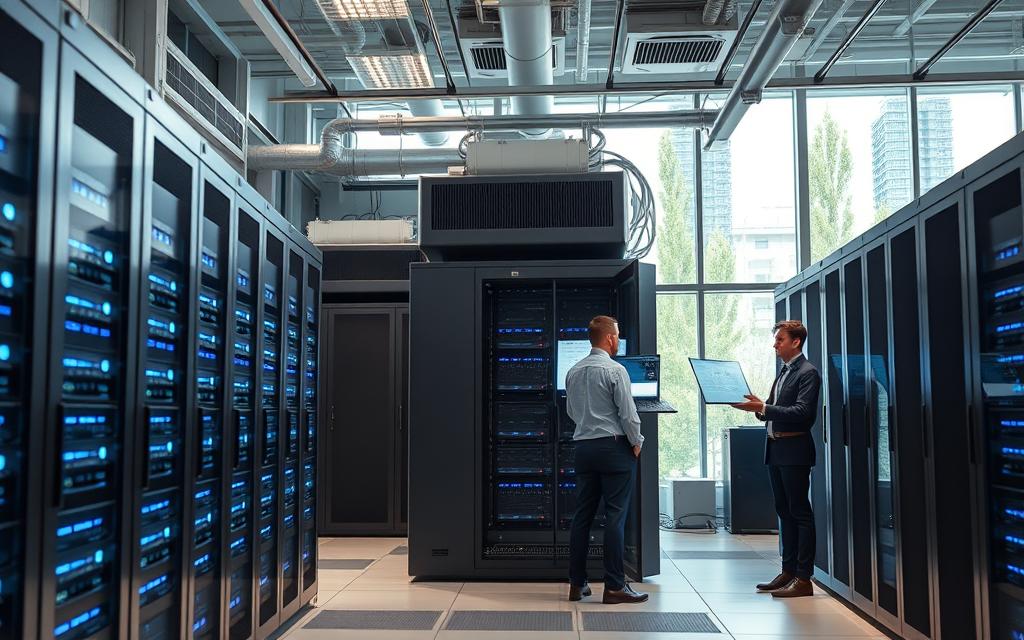
Good cooling needs a perfect match between cooling systems and the facility’s layout. Engineers must size HVAC systems right for the equipment’s heat. If not, the system might not work well, or parts could fail early.
Planning is key here. It involves thinking about space, rack placement, and air flow paths. This Design & Build approach makes sure cooling air gets to servers well. It keeps temperatures right, even when things get busy.
Before building, engineers use CFD to see how air will move. This virtual test helps find cooling problems and improve airflow. It’s crucial for high-density server room cooling.
CFD lets teams test extreme scenarios and adjust HVAC systems as needed. This step is key to avoiding overheating during busy times. The table below shows how these steps improve facility performance.
| Engineering Phase | Primary Focus | Impact on Efficiency |
|---|---|---|
| Collaborative Planning | Cross-team alignment | High (Reduces rework) |
| Infrastructure Integration | Load matching | High (Prevents waste) |
| CFD Modeling | Thermal prediction | Critical (Optimizes airflow) |
The growth of high-density computing has changed how we manage our environmental impact. Now, operators must use Green Technology in their facilities. This is key to staying viable in an eco-aware market.
Meeting Energy Efficiency standards is now a must for data centers. Laws require them to show how much energy they use. If they don’t meet these standards, they face fines and damage to their reputation.
Using standard metrics helps data centers compare themselves to others. By focusing on efficiency, they can meet global sustainability goals. This approach keeps them in good standing with investors and regulators.
Using Cooling methods that are good for the planet is crucial. Modern data centers are moving to new, energy-saving systems. These systems control temperatures well and use less power.
They use air or liquid to keep hardware cool. This keeps high-performance equipment stable during busy times. It’s a way to balance high performance with caring for the environment.
Good Thermal Management is key to lowering a facility’s carbon footprint. When heat is managed well, less energy is needed. This means less pollution and better sustainability.
Tools now track heat in real-time, helping make adjustments. By improving Thermal Management, engineers can cut waste and use energy better. This shows that high-density computing and caring for the planet can go hand in hand.
Securing high-density environments is more than just locking doors. It’s about protecting the digital integrity of cooling controls. When engineers start the Design & Build phase, they see cooling infrastructure as a key asset. They must protect it with multiple layers to avoid vulnerabilities.
Physical access control is the first defense for high-density facilities. Engineers must keep cooling units, piping, and heat exchangers in restricted zones. Restricting access to these areas stops unauthorized tampering with critical hardware.
The Design & Build process should include these physical barriers. They protect the cooling architecture’s integrity. By isolating mechanical components, operators lower the risk of damage to the cooling loop.
Modern HVAC Systems use networked sensors and automated controllers to manage heat. These connected devices can be attack vectors if not properly secured. Hackers might try to change temperature settings to cause shutdowns or damage.
To reduce these risks, facility managers need to enforce strict cybersecurity. This includes isolating the cooling network and keeping firmware updated. Constant monitoring of network traffic helps spot anomalies early.
Even with top security, technical failures can happen. Good contingency planning ensures HVAC Systems stay operational or fail safely. It’s about having a clear plan for both automated and manual responses.
Engineers should focus on these strategies to keep systems running:
Preparing for the worst-case scenario protects high-density infrastructure’s long-term viability. Resilience is key in secure cooling design.
Looking at successful projects shows how to handle big loads in modern facilities. Engineers learn a lot from real-world examples of High Performance Computing setups. These cases prove that managing extreme heat is key for growth.
Companies like Switch and Equinix lead in managing high power densities. They use advanced cooling methods to keep the temperature steady. This ensures stability, even when power needs surge.
Keeping airflow and liquid cool is crucial to avoid overheating. It’s clear that Data Center Solutions must be part of the building design. This approach helps use space better without risking equipment safety.
Direct liquid cooling is key for handling the heat from AI processors. Many big data centers use a mix of air and liquid cooling. This combo keeps systems cool during heavy use.
Immersion cooling is also becoming popular in research settings. It uses special fluid to cool servers, beating air cooling. These Data Center Solutions show the need for new cooling methods for future tech.
The best projects always plan for backup. Leaders stress that having a backup plan is as important as the cooling tech. If something fails, the system must quickly move heat to avoid damage.
Modularity is another key lesson. A flexible design is essential for High Performance Computing. Scalable Data Center Solutions help avoid costly updates and keep facilities competitive.
As AI & HPC workloads grow, the infrastructure must change a lot. Engineers are now building high-performance ecosystems. These systems handle a lot of heat.
This change means we need to rethink space, power, and cooling. It’s not just about building rooms for servers anymore.
The need for processing power is growing fast. Modern clusters need more power than before. Designers must focus on vertical integration and high-density power systems.
Companies are using special chips for machine learning. These chips get very hot. So, the industry is moving to liquid cooling instead of air.
Research is exploring new ways to manage heat. Scientists are looking at two-phase immersion cooling. It uses liquids to cool better than air or water.
Direct-to-chip cooling is also being developed. It cools chips more efficiently. This technology is key for reliable next-generation hardware.
In the next ten years, Green Technology will be key for data centers. There will be strict rules on energy use and carbon emissions. The best facilities will be both fast and green.
We’ll see more smart cooling systems soon. They use AI & HPC to manage heat better. This will save a lot of energy. Using Green Technology will soon be essential for success.
Modern data centers are at a critical point as they reach rack densities of 100kW and more. Success depends on new approaches to thermal management and power distribution. Building for such high scales requires precision and a long-term vision.
Effective designs combine liquid cooling and modular hardware. These systems manage high heat loads while keeping operations stable. Leaders focus on Green Technology to balance performance with environmental care.
The fast growth of artificial intelligence makes infrastructure flexibility key. Engineers must pick components that support future upgrades without needing a full overhaul. Using Green Technology keeps these high-density places efficient as energy rules get stricter in the U.S.
Invest in scalable cooling systems now to avoid becoming outdated. Working together, hardware makers and facility managers will lead to more efficiency. By focusing on sustainable practices, the industry can meet tomorrow’s needs while protecting the planet.
Following the industry, hunting a role or hiring for one: one account opens all of it.
Enter your email or username and we'll send you a secure link to set a new password.
Discussion