Essential cookies keep the site running. With your OK we also use optional ones to understand how the site is used and make it better. See our Cookie Policy.
Your choice is kept for 12 months.
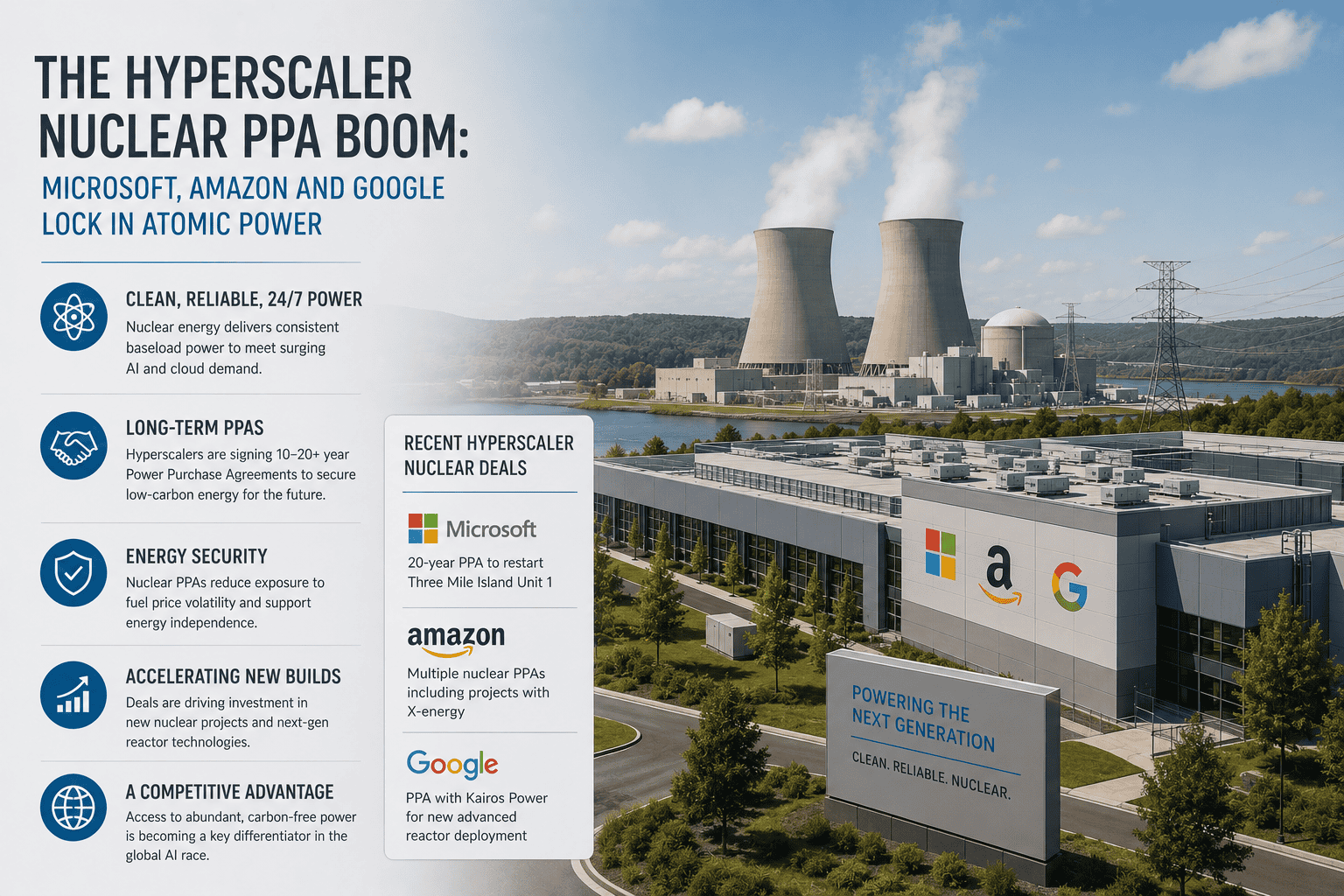
Big tech companies are changing how they get electricity for their global operations. Microsoft, Amazon, and Google are now buying nuclear energy directly. This move helps them meet the massive energy demands of today’s digital world.
These tech giants need a reliable and constant energy supply. By choosing nuclear power, they get a steady flow that traditional grids often can’t provide. This shift is key to their long-term sustainability goals.
Modern data centers need to run all the time to work right. Adding nuclear energy to their Power & UPS plans is a big step. It lets each hyperscale company grow while using less old, inefficient energy.
Sustainability has become a key part of how big tech companies operate. As digital needs grow, they must use less energy and reduce their environmental impact. This means changing how they power and manage their large systems.
Lowering carbon emissions is now a must, not just a PR goal. Companies are looking for ways to grow without using more fossil fuels. By focusing on sustainability, they stay viable for the long term and meet investor and regulatory demands.
“The transition to a clean energy economy is the most significant industrial transformation of our time, requiring both innovation and scale.”
The market is quickly moving towards renewable energy like wind and solar. These options are now cheaper, making it easier for companies to use them. But, they can’t always provide power when it’s needed.
To solve this, companies are exploring new technologies. They’re investing in better storage and grid management. This keeps power flowing smoothly while keeping renewable energy central to their operations.
| Energy Source | Reliability | Carbon Impact | Scalability |
|---|---|---|---|
| Solar | Low (Intermittent) | Very Low | High |
| Wind | Medium (Variable) | Very Low | High |
| Nuclear | Very High (Base-load) | Very Low | High |
Wind and solar are clean, but they can’t always meet the power needs of data centers. Nuclear power is key for sustainability in these high-demand areas. It offers steady power without the need for dirty backups.
Adding nuclear energy to the mix makes sustainability efforts stronger. It works well with renewable energy to create a clean, reliable power system. This is a big step forward for corporate energy strategies.
The growth of cloud services has led to the creation of huge, efficient computing places called hyperscale data centers. These centers are key to our digital world, helping with streaming and AI. They support many online services.
A hyperscale site is big and powerful. It covers hundreds of thousands of square feet and has thousands of servers.
These centers focus on using less power and cooling well. They grow by adding more servers as needed, helping meet demand.
Artificial intelligence and machine learning have made these big data models more important. Companies need lots of power to work on big AI projects and handle data fast.
Cloud providers spend billions to keep up. They’re not just adding more servers. They’re building a network that can handle global traffic quickly.
These centers are fast and powerful, but they use a lot of energy. Keeping thousands of servers running all the time needs a lot of power.
Now, companies must find ways to use less energy. They’re using green energy and new cooling methods to reduce their carbon footprint. This is key for the future of digital services.
| Metric | Traditional Data Center | Hyperscale Data Center |
|---|---|---|
| Server Capacity | Low to Medium | Extremely High |
| Energy Efficiency | Standard | Optimized (PUE |
| Scalability | Limited | Rapid and Massive |
| Primary Driver | Local Storage | Cloud & AI Services |
The heart of any big digital setup is its strong Power & UPS system. As digital needs grow, these places must handle huge electrical loads without stopping. Good Data Center Solutions are key to keep services running all day, every day.
A modern UPS has several important parts working together. The main parts are the rectifier, which changes AC power to DC for storage. Batteries then keep this energy ready for backup when the grid fails.
The inverter is the last step, turning DC back into clean AC power for servers. Static bypass switches are also crucial, letting the system switch to utility power if there’s a fault. These parts keep hyperscale operations steady even with power changes.
Reliability is key for any big place. Even a short downtime can cost a lot, so engineers make systems very reliable. They often use N+1 or 2N setups, where extra parts are ready to take over fast.
Advanced software keeps an eye on every battery and circuit in real-time. It can predict failures, so maintenance can be done without stopping work. This is a big part of top-notch Data Center Solutions.
Today’s UPS tech does more than just back up power; it also saves energy. When utility power is steady, systems can skip unnecessary steps, cutting down on heat and cooling needs.
By making power conversion more efficient, these systems cut down on waste and lower carbon emissions. Smart Power & UPS units help meet environmental goals while keeping performance high. Below is a table showing the main differences between common UPS types.
| Technology Type | Efficiency Rating | Primary Benefit | Best Use Case |
|---|---|---|---|
| Double Conversion | 94-96% | Maximum Protection | Critical Server Loads |
| Eco-Mode | 98-99% | Energy Savings | Stable Grid Conditions |
| Modular UPS | 95-97% | Scalability | Growing Hyperscale Sites |
Microsoft is turning to nuclear energy to meet the growing power needs of its cloud services and AI. The demand for high-performance computing is increasing. The company needs a reliable and constant energy source, which traditional renewables can’t always provide. This move is a big change in Microsoft’s approach to sustainability.
The company aims to get baseload power that works all the time, no matter the weather. By using nuclear energy, Microsoft makes sure its data centers run smoothly. This helps the company grow globally without the ups and downs of wind and solar power.
Microsoft is teaming up with top nuclear companies to push its nuclear goals. These partnerships are about creating and using new reactor tech that’s more efficient and safe. Working with these firms, Microsoft gets access to cutting-edge engineering and the know-how for big energy projects.
These investments are key to Microsoft’s goal of being carbon-neutral. Nuclear power is a low-carbon option that supports sustainability efforts. By using less fossil fuel, Microsoft shows its dedication to the environment while meeting its energy needs.
| Energy Source | Reliability | Carbon Footprint | Sustainability Impact |
|---|---|---|---|
| Nuclear | High (Baseload) | Very Low | High |
| Solar | Variable | Low | Moderate |
| Natural Gas | High | High | Low |
Amazon is a big player in cloud computing. It needs to grow fast but also be green. The company is making a big change to use cleaner energy for its huge setup.
Amazon Web Services (AWS) runs a huge cloud network. It needs lots of electricity all the time. So, AWS is investing in wind and solar farms in the U.S.
But, wind and solar aren’t always on. AWS is looking at other ways to keep its data centers running 24/7. This means not just using old-fashioned fossil fuels.
Nuclear power deals are a big step for tech giants like Amazon. These deals mean buying electricity from nuclear plants for a long time.
“The transition to carbon-free energy is not just a goal but a fundamental requirement for the future of global technology infrastructure.”
These deals give Amazon long-term price stability and clean energy. By making these deals, Amazon helps the energy market change to cleaner sources.
Energy Efficiency is key for Amazon’s green plan. The company keeps improving its servers and cooling systems. This cuts down the power needed for computing.
Innovation in data center design helps AWS use less electricity. By focusing on Energy Efficiency, Amazon can grow its services. This includes more artificial intelligence and cloud storage.
Google is working hard to use only clean energy for its data centers. They want to power their centers with clean electricity all the time. This goal is bigger than just matching energy use annually; they aim to use every kilowatt-hour from clean sources.
Google Cloud has a smart power framework to manage energy across the globe. It uses data analytics to watch the grid in real-time. This data-driven approach helps Google find where to invest in more clean energy.

The framework focuses on adding clean energy directly to the grids where data centers are. Google chooses local impact over distant offsets. This way, they help clean up the whole grid, not just their own operations.
Nuclear power purchase agreements (PPAs) are key for Google. These agreements give Google a stable and reliable supply of clean energy. Nuclear power is always there, no matter the weather or time.
With these agreements, Google knows exactly how much they’ll pay for energy for years. This stability is crucial for growing their data centers while keeping their environmental goals. By working with nuclear providers, Google fills the gap between what renewables can offer now and the power needed for constant, high-capacity power.
Having a mix of energy sources is vital for Google’s long-term success. Relying on just one source can be risky. A mix of wind, solar, and nuclear energy keeps the system strong against any problems.
This mix lets Google fit the energy needs of different places. By using different technologies, they build a robust energy architecture. This architecture can handle the big power needs of today’s AI and cloud computing. This approach ensures the reliability needed for the digital future.
The move to nuclear energy is more than just good for the planet. It’s also smart money for big tech companies. They need uninterrupted power, and nuclear offers a stable solution. This is a big change from buying power on the spot market.
Nuclear power costs more than wind or solar for tech giants. But it’s worth it for the high capacity factor of nuclear plants. They provide steady power, unlike weather-dependent sources.
This steady power means less risk of downtime. For big data centers, even a short power outage can cost a lot. Nuclear deals act like insurance against power problems.
These deals last for decades, giving a steady energy cost. The upfront cost for nuclear is high, but the long-term stability is worth it. It helps companies plan their budgets better.
Energy providers also gain from these deals. They get a steady income, which helps them keep reactors running or invest in new tech. This helps both tech and energy sectors grow together.
Big tech companies must choose between different energy types. Solar and wind are cheaper but need more work to match nuclear’s reliability. Here’s a quick look at the main differences.
| Energy Source | Reliability | Cost Profile | Storage Needs |
|---|---|---|---|
| Nuclear | Very High | High Upfront/Stable | Minimal |
| Solar | Variable | Low/Fluctuating | High |
| Wind | Variable | Moderate/Fluctuating | High |
| Natural Gas | High | Moderate/Volatile | Low |
The choice to use nuclear power is about keeping operations running smoothly. As energy needs grow, the benefits of reliable, clean power become more obvious. This move helps big tech lead the way to a greener future.
Modern nuclear engineering is changing how data centers get their power. New technologies offer more flexible and efficient ways to generate electricity. These advancements help lower carbon emissions and meet huge energy needs.
Small Modular Reactors, or SMRs, are changing the game in nuclear power. They are built in factories and then moved to sites. This method cuts down construction time and costs a lot less.
SMRs are small, so they can be placed close to data centers. This cuts down on power loss and ensures a consistent, reliable power supply. They are key to modern Green Technology.
Today’s reactors focus on safety with passive systems. These systems use gravity and convection to cool the reactor in emergencies. This means no need for complex mechanical fixes or human help during critical times.
Engineers have also used new materials that can handle high temperatures and radiation. These materials keep the facility safe under different conditions. Such robust safety protocols help win public trust and get approval from regulators.
The future of power grids combines nuclear energy with Renewable Energy. This mix of power sources creates a stable, carbon-free energy mix. It’s a key feature of advanced Green Technology.
Nuclear plants help stabilize the grid when wind and solar power change. This mix ensures data centers get a steady flow of Renewable Energy all day and night. It helps build a more resilient and sustainable digital economy.
Switching to nuclear energy faces many hurdles. There’s public doubt and strict rules to follow. Hyperscalers want reliable power but must deal with the challenges of setting up new systems.
Many people are still wary of nuclear energy. They worry about safety and how to store radioactive waste.
Companies are trying to change this by talking about nuclear’s reliability and carbon-free benefits. They need to educate people about the new, safer reactors.
“Nuclear energy is a vital component of a carbon-free future, but it requires a transparent dialogue with the communities we serve.”
The rules in the United States for nuclear projects are very strict. The Nuclear Regulatory Commission (NRC) checks everything to keep it safe.
For big tech companies, getting through these rules takes a lot of time. They need patience and special knowledge to follow all the laws.
The industry is working hard to be more Eco-Friendly. They’re using new cooling systems and recycling fuel to cut down waste.
By focusing on sustainability, they want to show nuclear energy is a good choice. These Eco-Friendly Practices help reduce the Environmental Impact and meet the energy needs of big data centers.
As hyperscale facilities grow, the industry faces a big change in electricity use. Digital services are evolving fast. They need a strong system that can handle big workloads without harming the environment.
Data centers worldwide are set to expand a lot in the next ten years. This growth comes from artificial intelligence and cloud services needing lots of computing power.
Experts say the number of big data centers will double. Companies want to cut down on delays for users everywhere. This means they need better Power & UPS systems to keep everything running smoothly.
Energy use is moving towards cleaner, reliable sources. Traditional grids are good, but modern needs demand special energy solutions.
Companies are choosing sustainability by getting long-term nuclear energy deals. This helps keep Power & UPS needs stable and cuts down on fossil fuel use.
The big challenge is meeting digital service demands while keeping things green. It’s a tough balance that needs constant innovation in tech and energy.
Companies need to use advanced hyperscale systems to save energy on the fly. By investing in strong Power & UPS systems, they can grow in a clean, efficient way.
Microsoft, Amazon, and Google lead the way in energy stability. They use unique Data Center Solutions to handle huge electricity needs. Their strategies show a shift towards clean energy in tech.
Microsoft is a leader by getting long-term nuclear power deals. They know consistent, baseload power is key for cloud services. By choosing nuclear, they stay strong against energy market ups and downs.
This move shows their big plan to add Eco-Friendly Practices to all parts of their business. They look for new energy tech partnerships. This helps the grid and supports their goal to be carbon-negative.
Amazon tackles energy with big renewable and nuclear investments. They aim for operational efficiency to cut down power use. This way, they avoid energy supply problems.
They work with energy providers to create special solutions for high demand. This lets them grow their Data Center Solutions everywhere. Innovation is key for them to power the internet’s future.
Google stays ahead by teaming up with utilities and nuclear developers. These partnerships help them get clean energy on a big scale. They focus on 24/7 carbon-free energy and new nuclear tech.
Google’s partnerships set a high standard for green practices in the industry. They keep improving their energy buying to be sustainable long-term. Their teamwork is a model for others to reduce digital carbon footprint.
| Company | Primary Energy Focus | Strategic Goal |
|---|---|---|
| Microsoft | Nuclear PPAs | Carbon Negative |
| Amazon | Renewables & Nuclear | Operational Efficiency |
| 24/7 Carbon-Free | Grid Decarbonization |
The move to nuclear power is a big step for digital infrastructure. Microsoft, Amazon, and Google are leading this change. They aim to meet huge computing needs while caring for the environment.
This shift needs a strong focus on Energy Efficiency. As data centers get bigger and more complex, this focus is crucial.
Keeping the grid stable is key. Engineers must keep improving reactor designs. This ensures Green Technology supports cloud services well.
Improving power systems is essential. It lets companies grow without harming the planet. This way, they can meet electricity needs while cutting carbon emissions.
Success comes from working together. Tech giants and energy providers must partner up. This partnership helps build infrastructure that’s good for business and the planet.
When everyone works towards the same goals, innovation grows. This happens through teamwork and open sharing of progress.
Technology leaders must focus on energy security for the long term. Investing in clean energy protects against price swings. It also helps meet global climate goals.
Everyone in the tech world must act now. We need a stable and green power future for the next generation of digital services.
Following the industry, hunting a role or hiring for one: one account opens all of it.
Enter your email or username and we'll send you a secure link to set a new password.
Discussion