Essential cookies keep the site running. With your OK we also use optional ones to understand how the site is used and make it better. See our Cookie Policy.
Your choice is kept for 12 months.
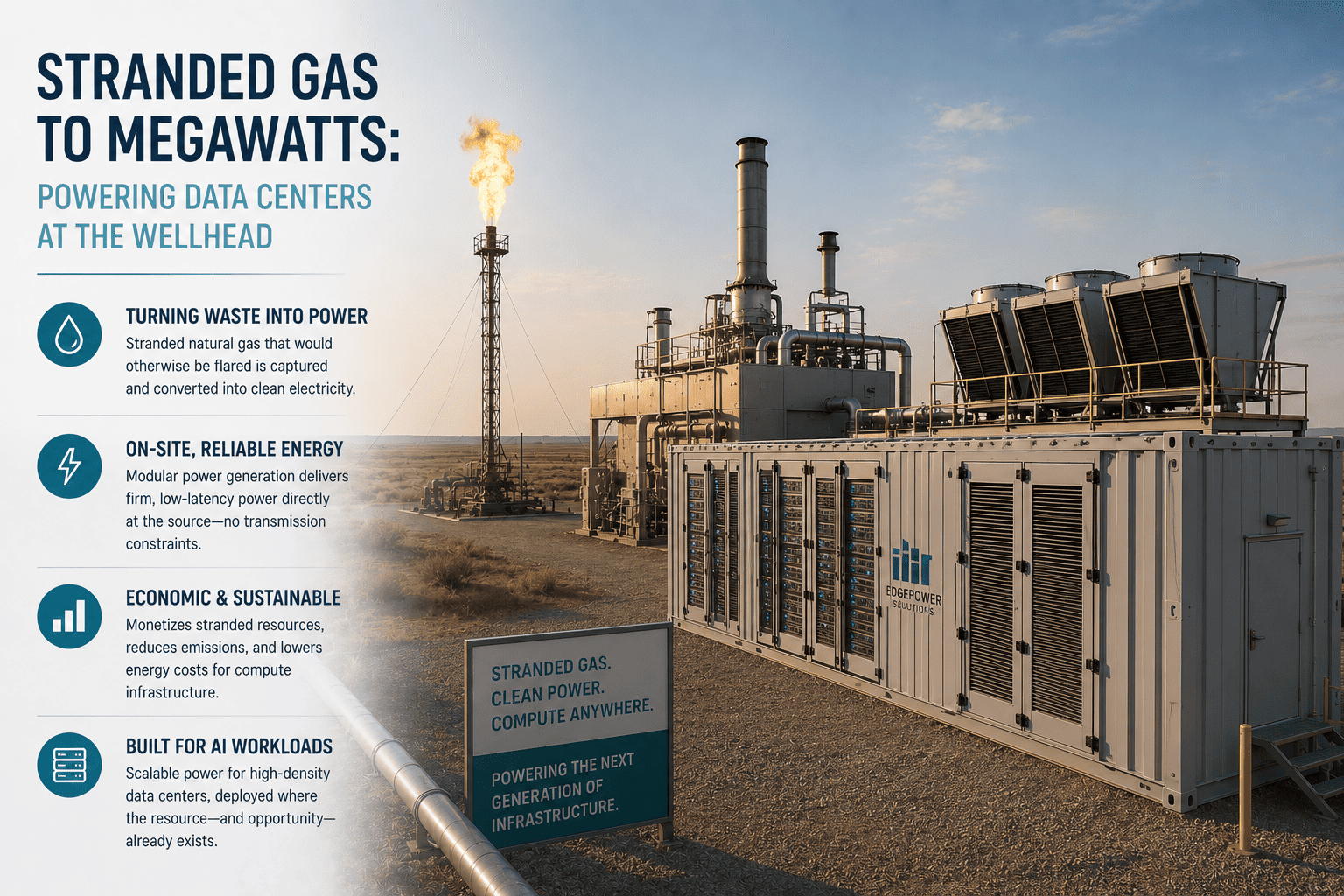
The digital age needs a lot of energy to keep our networks online. Often, natural gas at remote wells is wasted because it can’t reach a pipeline. Now, innovative companies capture this gas to power big computing centers right where it’s found.
Engineers use advanced Power & UPS systems to turn this wasted gas into electricity. This changes how companies pick strategic Site Selection. They move facilities closer to where the energy is made, not just to traditional grids.
This change offers a sustainable path for the digital world. It turns a once-wasted byproduct into a valuable resource for data centers. As technology grows, this method becomes cleaner and more efficient for our connected world.
Stranded gas lies deep in remote areas, waiting to be tapped. It’s hard to get to because it’s far from pipelines. This makes it hard for producers to use it in the usual ways.
Thanks to Energy-efficient solutions, companies can now get this gas. They turn it into power for places that need a lot of energy. Innovation helps get this gas to where it’s needed.
Stranded gas is natural gas that can’t get to a pipeline. Without a pipeline, it can’t be used. This makes it hard to sell or use.
When gas can’t be moved, it’s often flared or vented. This means lost money and bad for the environment. Economic waste happens because the gas is wasted instead of being sold.
Now, producers want to use the gas locally. This makes the gas valuable again. It also helps the finances of remote drilling.
Data centers need a lot of power to run servers all day. By using gas at the wellhead, they save money. Energy-efficient solutions help them cut costs.
This partnership helps both sides. Data centers get a steady power source. Producers find a good use for their gas. Using Energy-efficient solutions is smart for the future.
Powering data centers from remote wellheads is a big challenge. They need a steady, clean power supply to keep running smoothly. Power & UPS systems are key to protecting against the ups and downs of remote energy.
An Uninterruptible Power Supply (UPS) is a high-tech device that quickly steps in when power goes out. It uses stored energy, like batteries, to keep the power flowing until backup generators kick in. This way, computers never lose power completely.
Using top-notch Backup power systems brings big benefits to data centers. They smooth out power changes, protecting equipment and data. Here are the main advantages of a stable power supply:
Today’s Power & UPS systems are made to meet the needs of remote energy use. They must quickly switch to stored power without affecting servers. Below are the key features for modern data centers.
| Feature | Function | Impact |
|---|---|---|
| Scalability | Modular design | Supports growth |
| Monitoring | Real-time analytics | Predictive maintenance |
| Efficiency | Eco-mode operation | Lower energy costs |
Reliable Backup power systems are crucial for data centers on decentralized energy. They keep critical data available, even with power changes. This tech is key for the success of wellhead-powered data centers.
Choosing the right Site Selection is key for a data center’s success. Developers need to think about how gas wells can power high-density computing. They also have to keep operations running smoothly.
Choosing a data center location is more than finding energy. Engineers look at land stability, climate, and growth potential. These factors are crucial for the site’s success.
Geography affects cooling system efficiency. Data centers in cooler areas can use natural air cooling. This cuts down on energy needed for cooling.
| Factor | Impact on Efficiency | Risk Level |
|---|---|---|
| Ambient Temperature | High | Low |
| Terrain Stability | Medium | High |
| Water Access | High | Medium |
A remote data center location needs fast internet access. Being close to fiber-optic networks is vital for quick data processing.
The site must also be easy to reach for maintenance and deliveries. Finding the right balance between these needs and the gas well’s location is a big challenge.
The move to cleaner energy is changing how data centers use power. The world is pushing for less carbon emissions, and companies are setting big goals to meet this. This change is a big shift in how businesses operate today.
Being green is key for companies to stay ahead in a changing market. By caring for the environment, businesses can last longer and meet the needs of everyone involved. This also helps deal with climate change and running out of resources.
Going green can make things more efficient and save money in the long run. Companies that focus on these values can handle the energy world better. Sticking to these goals builds trust and stability.
Data centers are finding ways to cut down on pollution by using power right where it’s made. This cuts down on energy loss and uses gas that would be wasted. By using Green technology, they can cut down emissions a lot.
These Eco-friendly practices help data centers work well while being green. It’s not just a goal anymore; it’s a must for modern buildings. This way, computers can keep up with the planet’s needs.
New ideas in the energy world make it easier for businesses to be green. Advanced systems and better ways to get energy are leading the way. These tools help use energy better and cut down on waste.
Using Green technology right where energy is made is a big step forward. By being eco-friendly, companies can make a more solid and caring power system. Innovation is the key to keeping computers fast while protecting the environment.
Today, we can turn remote gas deposits into power for data centers. This is done by capturing gas that would be wasted. It creates a local energy source, reducing losses and offering a consistent power supply.
The main way to capture stranded gas is with modular power generation units. These units are easy to move and can be set up right at the wellhead. Engineers use several technologies to process the gas safely and efficiently:
The process starts with cleaning the raw gas to remove impurities and moisture. Then, the treated gas goes into the combustion chamber or fuel cell stack to make electricity. This on-site conversion avoids the need for expensive pipelines, making it easier to access remote gas reserves.
Scaling these systems for data centers is a big challenge. It’s important to keep the power stable, even when gas pressure or quality changes. To do this, many places use smart monitoring systems, have extra power modules, and work on getting the most energy from the gas.
By solving these technical issues, data centers can use stranded gas as a reliable energy source. This move helps meet sustainability goals and gives them a competitive advantage in a market where energy is scarce.
Using different power sources makes remote data centers more reliable. By mixing traditional gas with new options, operators keep electricity flowing. This reduces downtime and uses resources better.
The hybrid model uses gas as a steady power source. Adding renewable energy like wind or solar makes it flexible. This lets the center switch power sources as needed.
Smart systems manage these changes smoothly. They keep the data center running without pause, no matter the weather or gas supply. This dual approach makes power more stable and reliable.
This mix boosts grid stability at remote sites. Green technology is key, helping monitor and distribute power smartly. It cuts down on the need for just one fuel, lowering risks.
Also, using clean energy helps meet environmental goals. It makes data centers less carbon-heavy. This strategic balance means efficiency and sustainability go hand in hand.
The future brings better storage and generation methods. New tech will make gas and renewable energy work better together. As green technology improves, these hybrid systems will cost less.
The aim is a self-sustaining system that balances gas reliability with clean energy benefits. This shift promises a future where energy is both abundant and responsible.
Energy projects using stranded gas face strict rules to operate legally in the U.S. Developers must navigate these rules to meet modern data center needs. Strict oversight keeps power generation safe and green for the environment.
The energy sector is governed by federal and state laws. The Environmental Protection Agency (EPA) sets emissions standards for power plants. Compliance is not optional; it’s a must for keeping a license.
Operators must also follow state rules that can be stricter than federal ones. These rules cover noise levels and air filtration systems. Keeping up with these laws is a critical task for project managers.
Setting up power at remote wellheads is tough for data centers. They must do a detailed Environmental impact assessment first. This checks how the project affects air, water, and wildlife.
Working in sensitive areas means more checks from regulators. Data centers must show they reduce carbon emissions and keep systems running. Without a full Environmental impact assessment, they face delays or permit denials.
To win, companies should focus on compliance from the start. Being open and thorough in testing helps avoid risks. This builds long-term trust with regulators and the community.
The world of digital infrastructure is changing fast. Energy needs are growing, and operators want more than just the grid. They’re looking for innovative power strategies to keep things running smoothly and efficiently.
Today, the trend is clear: sustainable power sources are key. Managers are focusing on long-term energy plans. They’re mixing different energy types to avoid price and grid problems.
Also, using Renewable energy is becoming a must for data centers. Companies are investing in green tech to cut down on carbon emissions. This shows their dedication to the planet.
Where to put a data center is now all about local power. Moving power generation closer to the data center helps avoid old grid issues. This way, operators can better control their energy costs and keep things running smoothly.
When picking a Data center location, finding places with local energy sources is key. This decentralized model lets data centers work on their own. So, expect to see more Renewable energy and local gas power in the future.
Switching to wellhead-powered data centers means we must manage risks carefully. These sites face challenges not seen in city centers. Understanding the risks is key to keeping systems running smoothly.
Reliability is crucial when using stranded gas for critical operations. Power & UPS systems in these areas are at risk from extreme weather and delays. The harsh environment can damage sensitive electronics faster.
Another big risk is supply chain problems. Since these sites are far from big industrial areas, getting parts can take a long time. This delay makes the site vulnerable to losing power completely.
To fight these risks, a strong defense plan is needed. Regular environmental impact assessment checks help track how local conditions affect equipment. This way, teams can spot problems before they cause big issues.
Data centers should also have backup power systems ready. Keeping spare parts on site helps fix problems quickly. Below is a table showing common risks and how to deal with them for remote sites.
| Risk Factor | Potential Impact | Mitigation Strategy |
|---|---|---|
| Hardware Corrosion | System failure | Environmental sealing |
| Supply Chain Delay | Extended downtime | On-site spare inventory |
| Voltage Instability | Data corruption | Advanced UPS filtering |
| Regulatory Non-compliance | Operational shutdown | Ongoing impact assessment |
Industry leaders are showing that stranded gas can power data centers and cut costs. They capture methane that would be wasted, turning it into a reliable energy source. This shows that Energy-efficient solutions work well in today’s world.

Crusoe Energy Systems leads in using modular data centers at wellheads. They turn stranded gas into electricity right there, avoiding expensive pipelines. This cuts down on carbon emissions from computing.
“The ability to convert wasted energy into productive computing power represents a fundamental shift in how we approach industrial sustainability.”
The table below shows the benefits of these special setups:
| Metric | Traditional Grid | Wellhead Power |
|---|---|---|
| Energy Cost | High | Low |
| Carbon Impact | Moderate | Minimal |
| Infrastructure | Extensive | Modular |
Today’s facilities use advanced Power & UPS systems for steady power. These systems balance loads to keep power stable during changes. This way, operators keep high performance without the grid.
New Power & UPS tech makes smooth shifts between gas and battery power. This is key for data centers needing almost perfect uptime. These advances are raising the bar for energy reliability.
Turning stranded gas into power is a big step for the digital world. Companies like Crusoe Energy Systems show how to use wasted resources for better computing. This move cuts down on harm to the environment and keeps digital growth going strong.
Putting Sustainability first is key to handling growing energy needs. Leaders see that using energy wisely helps both their profits and the planet. By going green, data centers stay strong against energy price swings.
Innovation and clear rules are crucial for future success. The industry and policymakers need to work together. Staying committed to Sustainability will shape the future of our digital world. By choosing Eco-friendly ways, we build a cleaner, more stable digital space for all.
Following the industry, hunting a role or hiring for one: one account opens all of it.
Enter your email or username and we'll send you a secure link to set a new password.
Discussion