Essential cookies keep the site running. With your OK we also use optional ones to understand how the site is used and make it better. See our Cookie Policy.
Your choice is kept for 12 months.
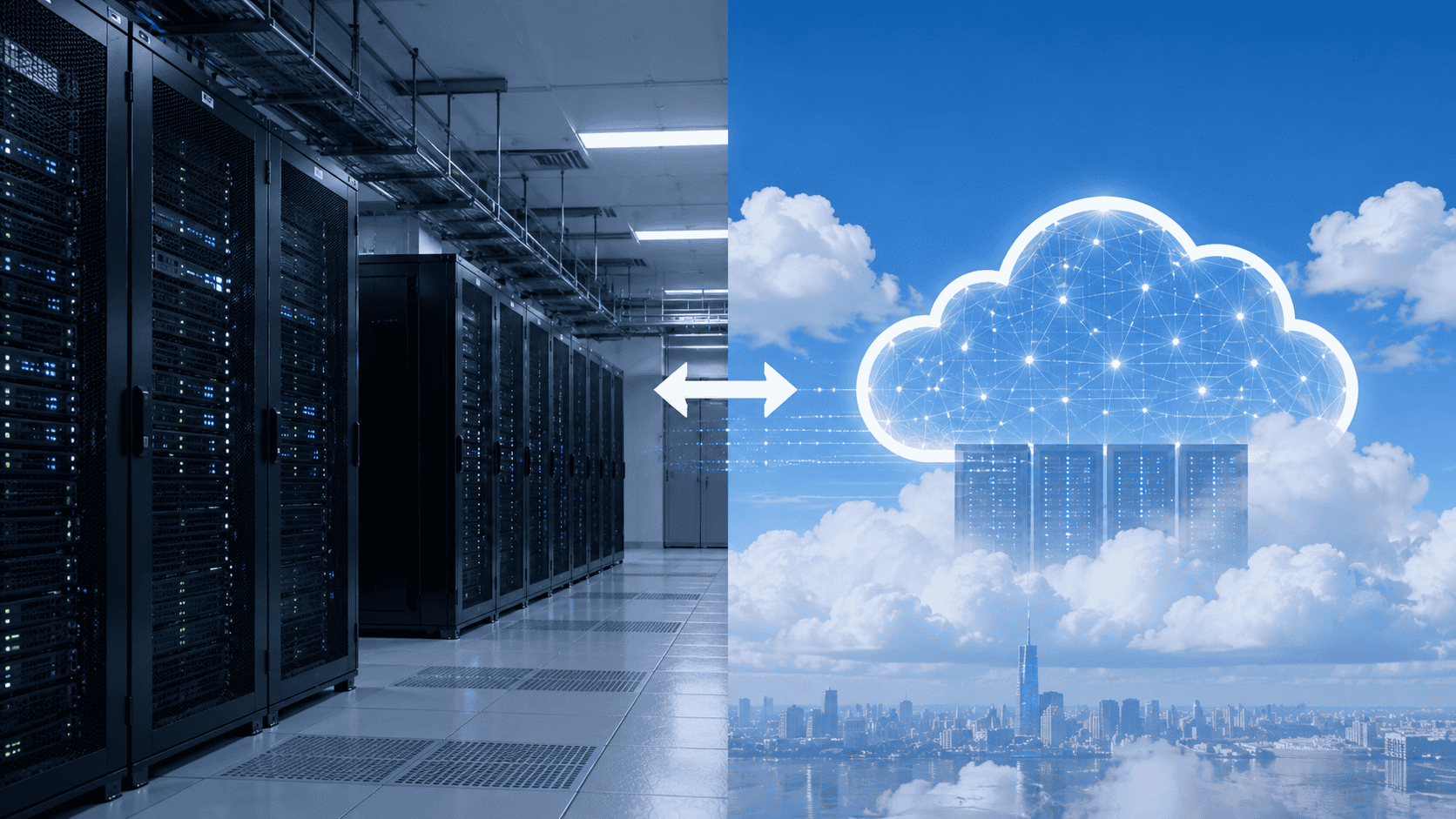
Modern data centers are under a lot of pressure. They need to handle huge workloads while keeping everything running smoothly. With high-density computing becoming common, old management ways can’t keep up with the complex needs.
Intelligent systems are now the heart of modern infrastructure. They use advanced analytics to predict problems and adjust cooling on the fly. This helps keep facilities cool and efficient, even with the heat from new server racks.
Using AI & HPC is not just a plus; it’s essential for keeping digital assets safe. Companies that use these technologies can grow without losing stability. This change makes facility management more dynamic, supporting the future of global computing.
Digital infrastructure is changing fast, thanks to smart software and lots of processing power. Today’s data centers need more than just space and cooling. They need smart management to handle huge amounts of data. AI & HPC helps turn old server rooms into fast, flexible places.
Artificial intelligence is like the brain, and high performance computing is the muscle. Together, they handle big data that old systems can’t. They make it possible to adjust server loads and cooling on the fly.
“The future of computing is not just about faster chips, but about the intelligence that orchestrates them to solve the world’s most complex problems.”
This mix keeps high performance computing clusters running smoothly, even when they’re really busy. Artificial intelligence helps predict when things will get too hot. This way, data centers can get ready before problems start.
Being efficient is now key to success. As energy prices go up, using less power is a big plus. It’s also important for the planet.
Good management means using less energy and doing more. By tweaking cooling and server use, data centers can cut down on waste. Being innovative helps keep things fast and green.
The move to automated facility management is changing how data centers work every day. With smart software, operators can switch from fixing problems to a proactive, data-driven approach. This change is key for keeping digital services running smoothly.
Automation boosts operational excellence by cutting out manual delays. When algorithms handle routine tasks, managers can focus on strategic work. This lets teams innovate instead of just doing maintenance.
Using business automation makes infrastructure stronger. It makes sure important tasks are done right, cutting down on mistakes. Here are some benefits of a smoother workflow:
“The greatest benefit of automation is not just speed, but the ability to free up human intelligence for complex problem-solving.”
Optimizing resources is a big reason for using automation in data centers. By adjusting power and cooling on the fly, costs go down. These savings often go into upgrading or growing the facility.
Good business automation also makes hardware last longer. By watching temperature and load, systems avoid damage. This saves on maintenance and keeps equipment running well.
The aim is to have a system that runs itself. When systems manage their energy, they’re more efficient and cost-effective. This is crucial for growing without spending too much.
The way we manage facilities has changed a lot. Now, we use digital tools for total control. As data centers get more complex, we need centralized oversight to keep everything running smoothly. A strong DCIM solution helps connect the physical and software parts of a data center.
Data center infrastructure management is a set of software tools. They watch over, measure, and manage a facility’s physical parts. These tools give a complete view of the environment, like power, cooling, and space use. They help managers make smart choices to boost performance.
Today’s tools do more than just watch. They predict problems before they happen. This way, teams can keep services running well and avoid sudden outages.
Good DCIM tools have features that make things easier. One key thing is real-time asset tracking. It keeps an up-to-date list of all hardware. This makes sure every server, switch, and power unit is tracked.
Another important feature is capacity planning. It lets managers plan for the future based on past data. With detailed insights, teams can use space and power better, saving money. Here’s a table showing how DCIM tools differ from old ways of managing.
| Feature | Traditional Management | DCIM-Enabled Management |
|---|---|---|
| Asset Tracking | Manual Spreadsheets | Automated Real-Time |
| Capacity Planning | Reactive Estimation | Predictive Analytics |
| Visibility | Siloed Data | Unified Dashboard |
| Efficiency | Low | High |
Modern data centers are becoming self-healing thanks to advanced technologies. They use artificial intelligence and automation to adjust to needs without human help. This makes the infrastructure strong, even when it’s under a lot of work.
The heart of this change is quick information processing. Data analytics helps systems spot patterns humans can’t see. This leads to faster and more accurate decisions on power and cooling.
Software can adjust settings based on performance data. This move from reacting to acting has big benefits:
Keeping an eye on things 24/7 is key for uptime. Automated alert systems act like a digital brain, catching problems early. They use artificial intelligence to cut out false alarms, so staff only gets real alerts.
The table below shows how automated systems beat old ways of watching things:
| Feature | Manual Monitoring | Automated AI Systems |
|---|---|---|
| Response Time | Minutes to Hours | Milliseconds |
| Error Detection | Reactive | Predictive |
| Data Processing | Limited | Comprehensive |
In the end, combining automation and data analytics sets a solid base for growth. These advanced technologies help data centers stay reliable, safe, and efficient in our digital age.
Intelligent systems are changing how we manage cooling and power. Data centers are moving from fixed energy plans to adaptive ones that adjust to changing needs. Thanks to machine learning, they can now predict energy use with great accuracy.
Today, facilities use machine learning to watch thermal patterns in server racks. They adjust fan speeds and coolant flow to match the heat output. This prevents over-cooling and saves a lot of electricity.
These systems also optimize power by moving workloads to unused servers. This dynamic balancing keeps power use low, even during busy times. The result is a more efficient setup that meets workload demands.
Boosting energy efficiency lowers a facility’s Power Usage Effectiveness (PUE) score. A lower score means more energy goes to computing, not cooling or lighting. Machine learning helps reach the perfect ratio of 1.0.
These improvements help meet global sustainability goals by cutting digital infrastructure’s carbon footprint. As data centers grow, reducing waste becomes key to corporate responsibility. The table below shows the move from old methods to smart, automated energy management.
| Feature | Static Management | AI-Driven Management |
|---|---|---|
| Cooling Control | Fixed Schedule | Real-time Adjustment |
| Power Usage | High Waste | Optimized Efficiency |
| Algorithm Usage | None | Machine Learning |
| PUE Score | Higher (1.5+) | Lower (1.1-1.2) |
High-density facilities need better security. Old ways of defending can’t keep up with new threats. New tech helps make security stronger and smarter.

Artificial intelligence is a big help in fighting cybercrime. It checks network traffic for subtle anomalies that might mean trouble. AI learns from past data to spot threats better than old rules.
This way, security teams can stop threats early. AI finds vulnerabilities fast, so attackers have less time to act. Intelligent software keeps security up to date, even as data centers get more complex.
Keeping data safe means always watching. Tools for constant monitoring show what’s happening in real time. If something odd is found, systems can act fast, like isolating servers or blocking user access.
This quick action is key to keeping data safe and systems running. With automated protocols, security is consistent everywhere. Here’s how old security methods differ from new AI-based ones.
| Feature | Traditional Security | AI-Driven Security |
|---|---|---|
| Detection Method | Signature-based | Behavioral Analysis |
| Response Time | Manual/Delayed | Real-time/Automated |
| Adaptability | Low (Static) | High (Dynamic) |
| Threat Scope | Known Threats | Zero-day Threats |
Operators can now predict equipment failures thanks to real-time data. This change moves away from old, reactive repair models to a proactive, data-driven strategy. Modern facilities use these insights to keep things stable in a complex digital world.
The heart of this change is machine learning algorithms. These systems look at lots of sensor data to find early signs of trouble. This way, repairs can be done on schedule, not in a rush.
“The goal of modern infrastructure is not just to respond to problems, but to eliminate the possibility of failure before it impacts the end user.”
This method greatly cuts down on unplanned downtime. For businesses, this is key since they can’t afford to stop service. When machine learning spots a problem, it tells staff to replace parts before it’s too late.
Using these strategies well needs strong DCIM tools. Good data center infrastructure management platforms let you watch over power, cooling, and hardware health all in one place. They’re like the brain of the facility.
Getting advanced data center infrastructure management software is crucial for the 99.999% uptime goal. With DCIM, managers can see how everything is working together. This helps them use resources wisely and lower risks.
Artificial intelligence is key in today’s data centers, but humans are still crucial. Even the most advanced systems need skilled people to guide them. Human expertise connects the power of computers to real results.
Facility management is changing fast, and so must the workforce. Companies must invest in training to help employees learn new digital tools. This is crucial when using DCIM platforms, which manage modern facilities.
Employees need to do more than just maintenance. They should learn to analyze data from DCIM software. This way, they can spot issues early. Continuous learning is now essential in a tech-driven world.
Finding the right mix of automation and human input is tricky. AI is great at quick tasks but not at solving complex problems. Human oversight keeps decisions fair and within limits.
Using DCIM for routine checks lets humans focus on big plans and solving big problems. This teamwork leads to innovation and success. The best data centers see technology as a powerful partner to their team, not a replacement.
Looking at successful uses of smart systems helps us plan for the future. Many big companies have gone beyond testing to fully use artificial intelligence in managing their buildings. They use advanced data analytics to make smart choices and stay ahead in the market.
Google is a top example of how artificial intelligence can make cooling systems more efficient. They used smart algorithms to cut down energy use. This shows that smart systems can do better than old ways in tricky situations.
Microsoft also used data analytics to keep an eye on server health and spot problems early. Their method shows the value of being proactive in avoiding big losses. These stories show that smart tech can really pay off.
First movers faced challenges with data quality and linking systems. They found out that artificial intelligence works only if it has good data. Having clean, reliable data is key for success.
Another important lesson is about culture. Teams need to trust smart tools but also keep human checks. Here’s a quick summary of what we learned from these leaders:
| Focus Area | Primary Benefit | Key Requirement |
|---|---|---|
| Energy Cooling | Reduced Costs | High-Quality Sensors |
| Predictive Maintenance | Increased Uptime | Historical Data Sets |
| Resource Allocation | Operational Efficiency | Real-Time Analytics |
In the end, these stories show that data analytics is crucial for managing buildings today. Companies that focus on openness and learning are likely to do well. By learning from these early successes, others can skip common mistakes and speed up their own digital changes.
The future of data centers is changing fast. AI & HPC are making big changes. Now, data centers need to be faster and more powerful than ever before.
Edge computing and self-managing facilities are coming soon. They will make data centers work better and faster. This means less delay and better performance.
Also, liquid cooling and modular designs are key. They help handle the power needs of AI. These changes will make data centers more flexible and green.
In the next ten years, data centers will change a lot. High performance computing will move to smaller, smarter grids. This will change how we grow and manage data centers.
The table below shows how things will change with new tech:
| Feature | Current State | Future Outlook |
|---|---|---|
| Management | Manual/Semi-Automated | Fully Autonomous |
| Computing | Centralized HPC | Distributed AI & HPC |
| Cooling | Air-Based | Advanced Liquid/Immersion |
| Scalability | Rigid Infrastructure | Dynamic/Modular |
The mix of AI & HPC will bring a new level of efficiency. Early adopters will lead in performance and green tech.
Many facility managers face big hurdles that aren’t about tech, but culture. The promise of automation is clear, but the journey is complex. They must blend old systems with new business automation needs.
Employees worry that new tech will take their jobs or make work harder. Leaders must talk openly about the change’s purpose. It’s key to show how these tools enhance human skills, not replace them.
Starting small with business automation helps teams adjust. This way, they can see the benefits and grow with the change. It builds a culture of learning and technological adaptation.
Data centers face more threats as they grow. Using automation wisely means focusing on security first. It’s crucial to use strong encryption and limit access to keep data safe.
Privacy is also a big issue with all the data being collected. Clear rules are needed for how this data is used. With strong security protocols, companies can use new tech safely and follow the rules.
Modern infrastructure is at a turning point as digital demands grow. Leaders now see that old management models don’t work for complex server environments.
The move to intelligent systems marks a big change in how facilities work. Companies that focus on smart technology have a big advantage in the global market.
Facility management needs a new way of thinking to keep up with fast tech changes. Teams should see every update as a chance to improve performance and reliability.
Companies like Google and Microsoft show that constant improvement leads to better uptime. This path requires a dedication to learning and adapting to new tools.
Success in this field relies on being able to change when new challenges come up. A culture that values creative problem-solving helps staff deal with digital age complexities.
Data centers that stay flexible will do well as they use advanced computing. Keeping this balance ensures infrastructure stays strong, secure, and ready for future innovations.
Following the industry, hunting a role or hiring for one: one account opens all of it.
Enter your email or username and we'll send you a secure link to set a new password.
Discussion